Industrial enterprises that rely on steam as an energy source are increasingly faced with the challenge of minimizing energy losses. The key to this lies in systematically optimizing the steam traps, which are crucial for the efficient operation of steam systems. The example of KLINGER Gebetsroither customer S. Spitz GmbH demonstrates how specific measures can yield massive savings.
The steam trap: inconspicuous but indispensable
Steam traps drain condensate from the system while preventing live steam losses. They are crucial in ensuring the efficient operation of steam systems. But these inconspicuous components are prone to hidden wear. And once defective, they cause considerable energy losses along with rising costs.
In industrial systems that are not regularly inspected, up to 30 percent of steam traps have been found to malfunction. The consequences: needless fuel consumption, higher CO2 emissions and the risk of water hammer.
Contacts mentioned in the article:
Markus Fröller, Sales Representative at KLINGER Gebetsroither
Martin Klein, Specialist for steam and condensate solutions at KLINGER Gebetsroither
Case study: S. Spitz GmbH
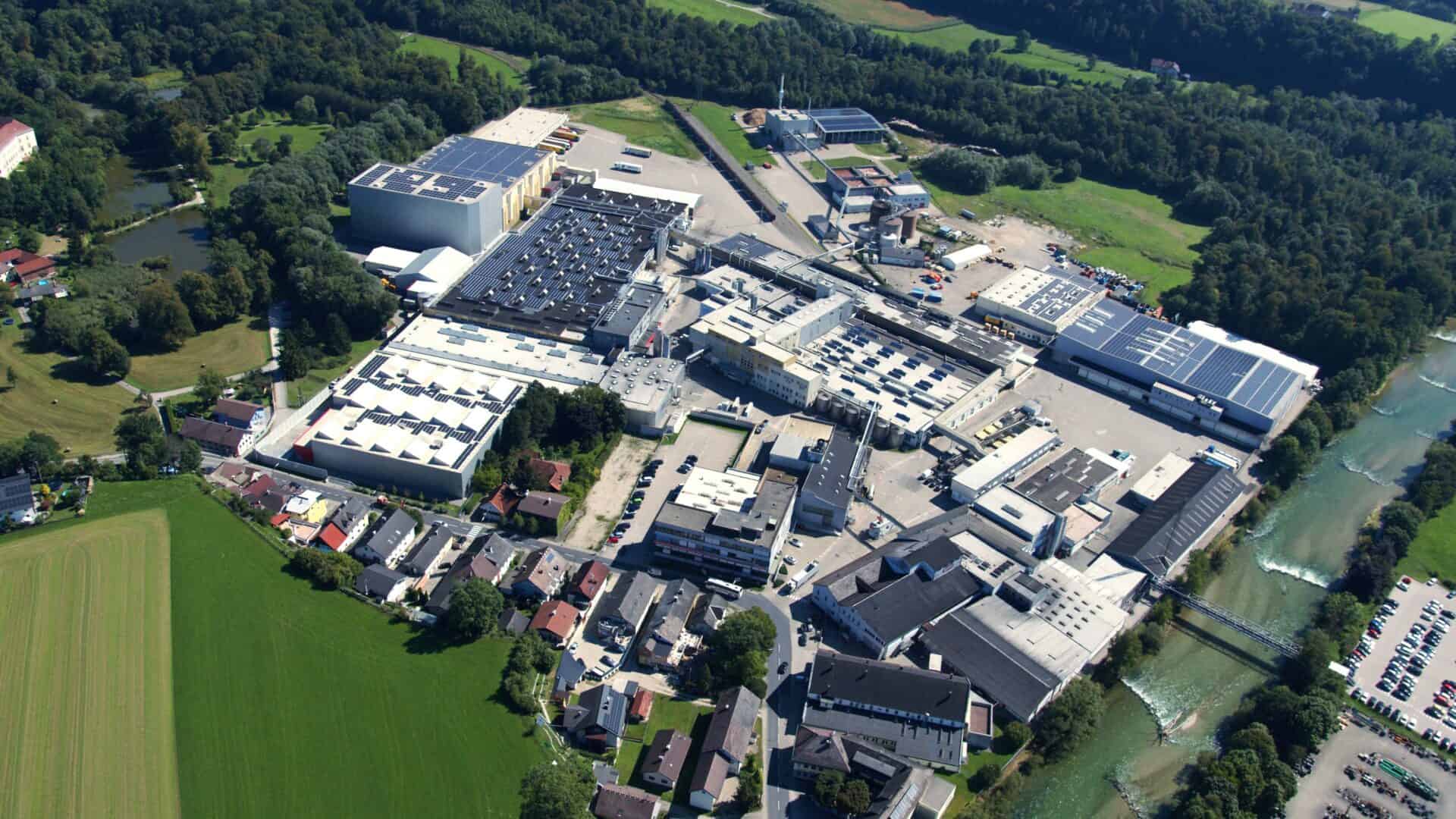
When Austrian food producer Spitz recorded a significant hike in energy costs and steam losses in 2022, the company initiated an energy efficiency project in collaboration with KLINGER Gebetsroither. After extensive testing, defective steam traps were identified and replaced. They also established a safety valves inspection program and introduced thermal recovery as well as modern energy controlling using Siemens Energy Manager Pro. Digital monitoring systems are increasingly indispensable in optimizing steam systems. Smart steam traps with built-in real-time monitoring allow inefficiently working system components to be identified and dealt with in good time before significant energy losses occur.

“The expert testing by KLINGER Gebetsroither and the transparent visualization of the energy flows made all the difference for us.”
Rudolf Holzinger, Energy Manager at Spitz
Copyright: S. Spitz GmbH
Fact box
Savings at a glance
- Reduced steam consumption at Spitz of about 25 percent
- Reduction in condensate losses from 30 down to 15 percent (2024); the aim is to achieve further reduction to below ten percent
- Double-digit percentage savings on energy costs
- Significantly reduced CO2 emissions
Targeted measures boost energy efficiency
To minimize energy losses, KLINGER Gebetsroither recommends regular testing of steam traps. This should be done at least once a year. Modern diagnostic methods such as ultrasound, thermography and pressure measurement enable precise, reliable fault detection. “In addition to repairing defective steam traps, companies can benefit from a full replacement if a repair proves uneconomical,” says Markus Fröller, Sales Representative at KLINGER Gebetsroither.
To repair or to replace?
A frequent point of discussion is at what point to replace a steam trap rather than have it repaired. As a general rule, it is more economical to replace steam traps that are older or badly damaged. “KLINGER Gebetsroither offers optimized steam traps that are designed for maximum energy efficiency and a long service life,” says Martin Klein, Sales Representative and specialist for steam and condensate solutions at KLINGER Gebetsroither.
For Spitz, optimizing the steam traps is not a luxury, but an essential energy- and cost-saving measure. Targeted testing, strategic maintenance and digital solutions can lead to significant savings – both financially and environmentally. The example of Spitz shows that it pays to aim for greater efficiency.