A cornerstone of global trade, the marine industry is facing a major transformation towards more sustainable energy sources. This challenging process is compounded by the unique logistical and technical constraints of operating vessels at sea, with constantly evolving meteorological and sociopolitical factors.
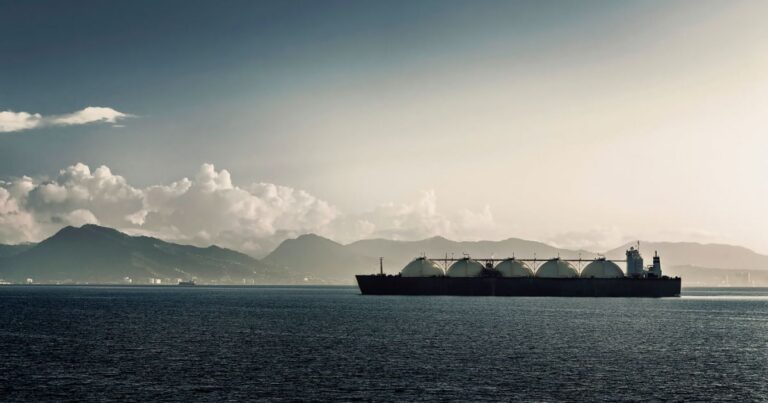
While advancements in alternative fuels like liquefied natural gas (LNG) have offered a more sustainable option compared to traditional heavy fuel oil, the sector still faces hurdles in achieving net zero emissions. Infrastructure development, investment, and international cooperation are essential to facilitate this transition.
According to Kim Arild Tandberg, Sales and Business Development Manager of KLINGER Westad, the need to both receive and provide support for this industry shift can create a paradox for early adopters: “It is a higher cost to build ships with dual fuel. But then again, it can also be hard to get financing without the possibility to run on alternative fuels.”
Contacts mentioned in the article:
Kim Arild Tandberg, Sales and Business Development Manager of KLINGER Westad
Cryogenic valve testing, classification requirements and proven LNG reliability
As a longtime producer of butterfly valves for LNG and LPG (liquefied petroleum gas), KLINGER Westad is perfectly positioned to support the marine industry’s evolution. With over fifty years of experience, KLINGER Westad has honed the manufacturing and evaluation process, creating valves that reliably meet the notoriously difficult qualification requirements. To pass testing and earn classification, valves are submerged in liquid nitrogen and then pressurized with helium. As Kim explains, the Westad team understands all the small details that add up to a successful product. “We know what works for the environment out on these ships,” he says.

“Sea water environment is highly corrosive, weight distribution is critical, and thermal dynamics are important. That’s the nature of this class of products. They have quite tough requirements, and tests for every project are inspected by third parties.”
Kim Arild Tandberg, Sales and Business Development Manager of KLINGER Westad
While leakage rates are often standardized, other rules might differ for each class society. This lack of universal norms is a pressing concern for suppliers to the marine industry, with significant potential impact on lead times. Another uncertainty is the possible implementation of carbon taxes in regions like the EU, while aimed at promoting sustainability, could create competitive disadvantages for European companies operating in markets with less stringent environmental regulations. This could potentially lead to a shift in manufacturing and trade patterns, with industries relocating to regions with more favorable economic conditions. Keeping up with new regional requirements creates even more challenges for companies, as their vessels slip into and out of a variety of jurisdictions.

Ammonia, LNG and regional infrastructure are reshaping marine fuel strategies
While the marine industry’s transition to alternative fuels was initially focused on clean burning LNG, ammonia has also grown in popularity as a stable and convenient hydrogen carrier. While hydrogen has been limited to small ships on short routes, ammonia looks to be a promising alternative for deep sea intercontinental routes, but the fuel is nonetheless seeing an increase in uptake among multiple carriers. Because hydrogen is challenging to contain and transport in its native state, ammonia is an appealing substitute, with fewer complications and less risk.
In addition, it’s common for LPG carriers to also transport ammonia, since the two gases share similar storage and handling methods. This allows for more efficient use of the vessel’s capacity, and reduces transportation costs. Kim and his team are already prepared for the growth of ammonia as a fuel of interest: “We are ready for this transition, and we have the right products,” he says. “We need to make small adjustments to cover all the right sizes and the right pressure ratings, but basically the same valve design we used for LNG and LPG today can be used for ammonia.”
Available infrastructure
Because the marine industry is largely driven by infrastructure availability and by the regulatory bodies that control it, KLINGER Westad is preparing to support a wider variety of customer needs as the field grows. Kim anticipates that such disparate requirements will drive regional splits, organizing the market by economic viability. He shares, “Marine fuel for the future might be quite fragmented. Depending on where they are going to sail, they will look at what kind of infrastructure is available, so you will have ships that are more suitable for certain areas of the world than others. That market is growing more and more exciting. It’s all about energy—transporting energy, but also having energy for transportation.”
Fact box
Did you know…
…LNG burns cleaner than traditional marine fuels, reducing greenhouse gas emissions? Switching to LNG can reduce carbon dioxide by up to 25% compared to heavy fuel oil. (per the IEA)
…cryogenic leak testing requires submerging valves in liquid nitrogen at -320,8°F (-196°C)?
…over 50 worldwide classification societies in total exist for the inspection and verification of ships and offshore structures? (per the EMSA)